ParmaSans
Reggiano
MF Parma Sans™
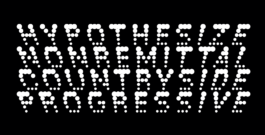
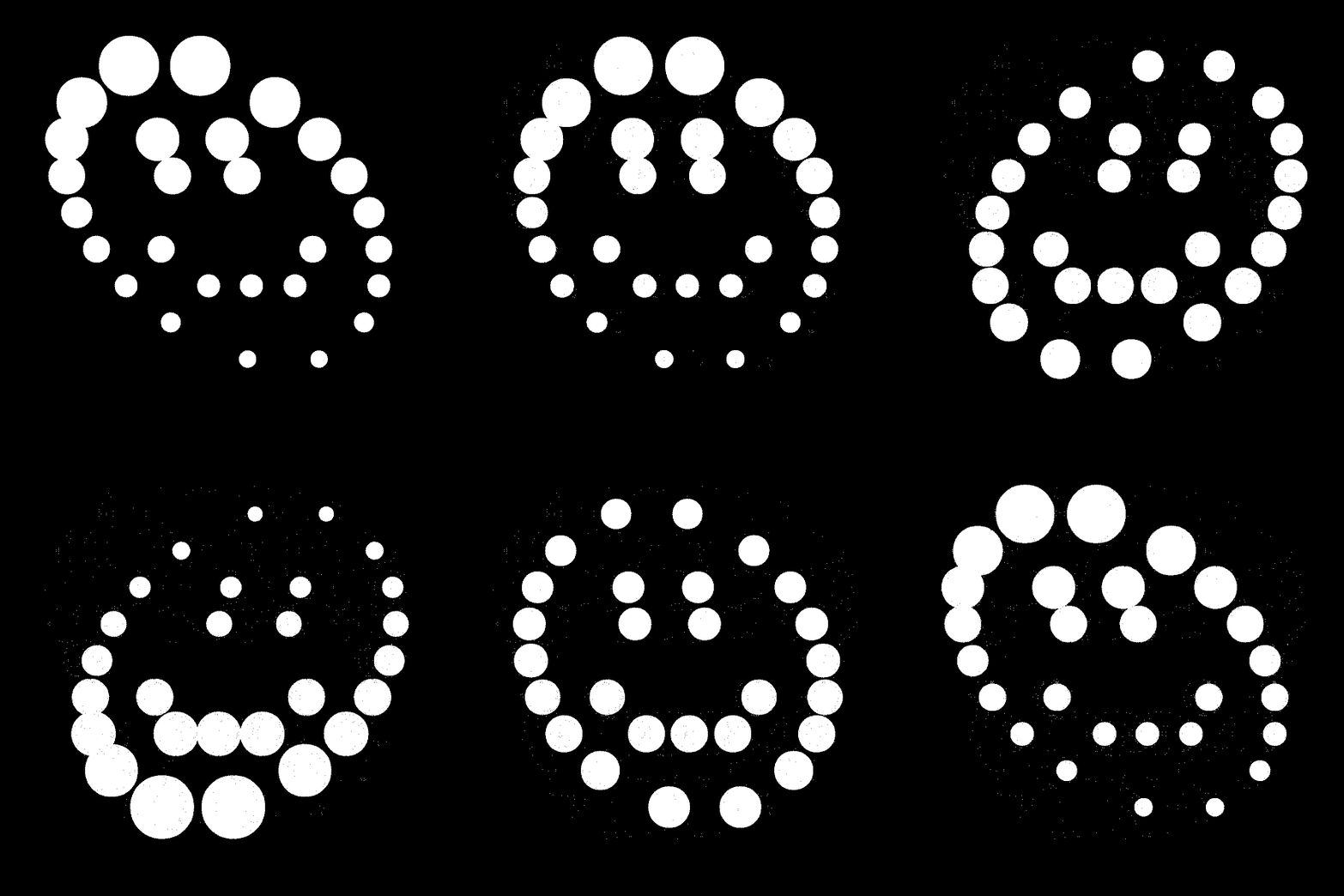
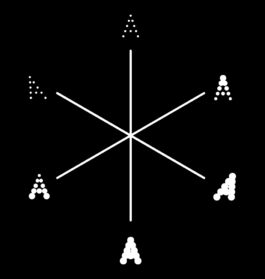
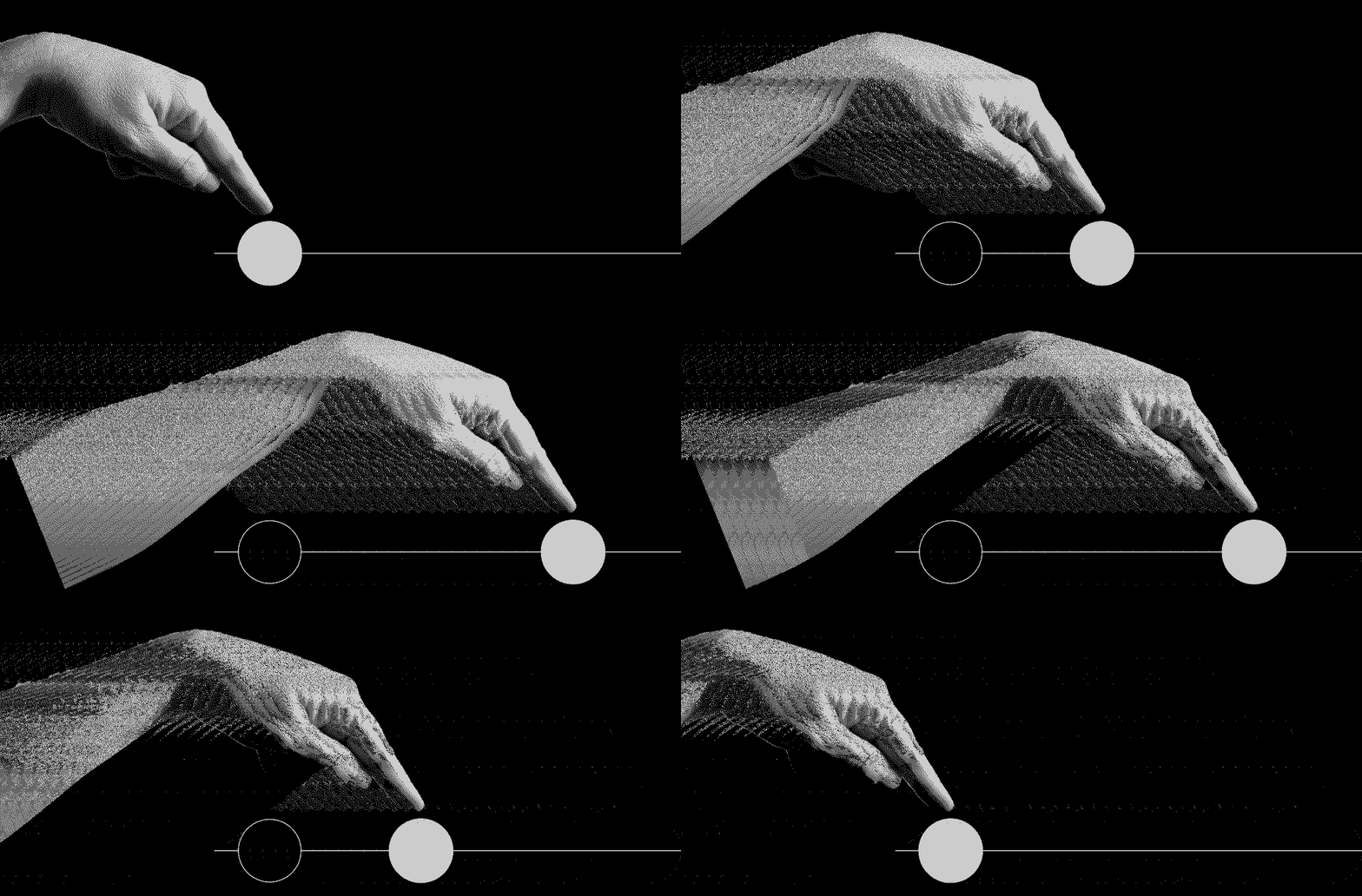
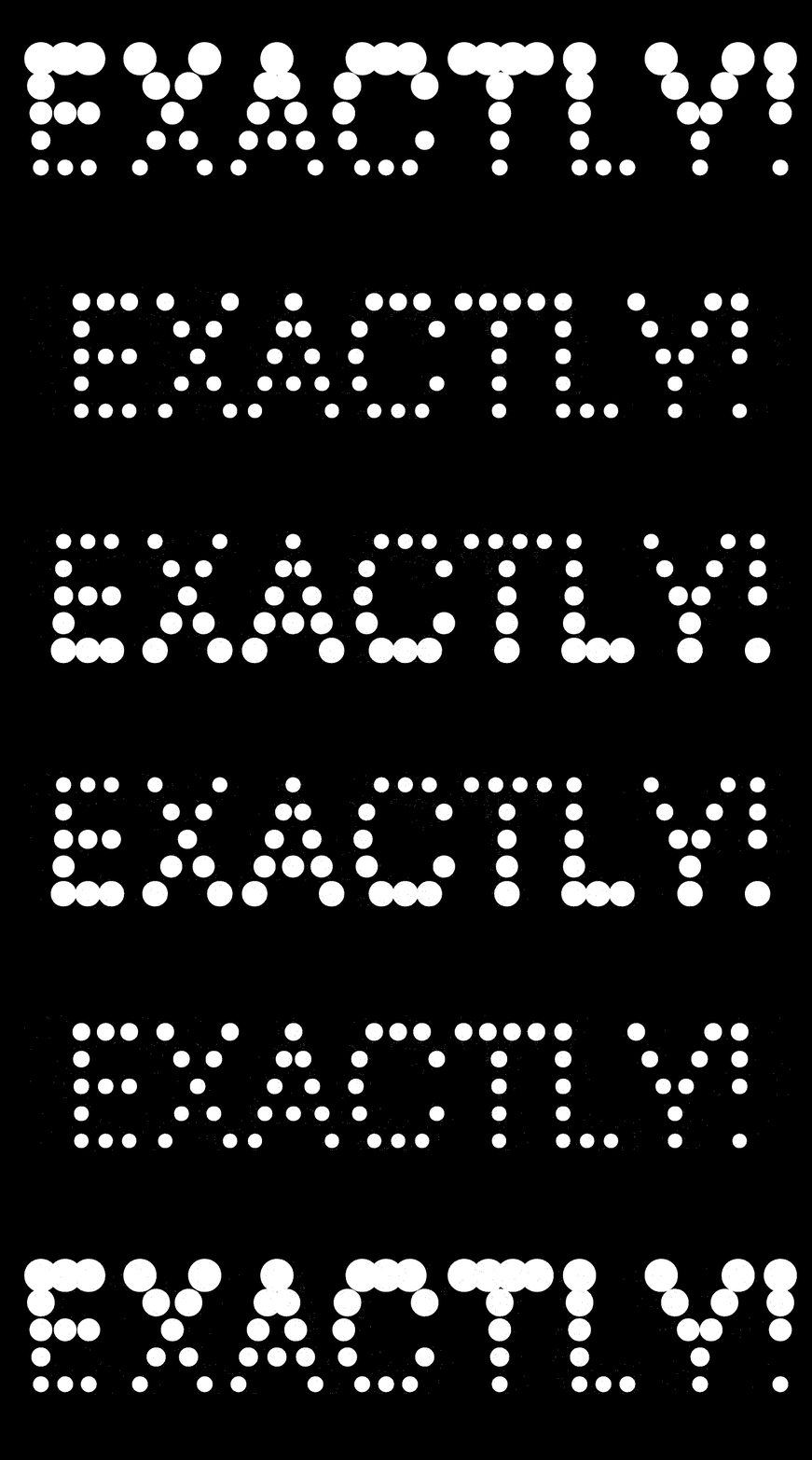
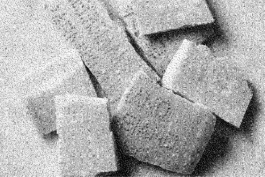
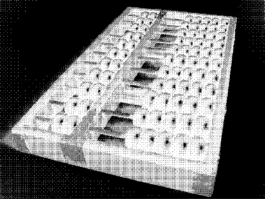
Conceived by After Hours Studio, built by Metis. Parma Sans starts with the dot-matrix stamp burned into the rind of a wheel of Parmigiano Reggiano — a grid of dots, evenly spaced but irregularly placed, geometric without being regular. Every character is built from nodes that sit on horizontal rails rather than a fixed grid. A node can land almost anywhere along its rail — the same logic as an abacus, free movement on one axis, fixed on the other. Three axes push that structure further. Weight runs from hairline to heavy. Slant tips each character to a 45-degree pitch. Stress pulls weight to the top of the letterform or drops it to the base, with the full range in between. 27 styles. One variable font.
Available as 1 Variable font.
Type Tester
Examples


The term Parmesan may refer to either Parmigiano Reggiano or, when outside the European Union and Lisbon Agreement countries, a locally produced imitation. Parmigiano Reggiano is named after two of the areas which produce it, the Italian provinces of Parma and Reggio Emilia (Parmigiano is the Italian adjective for the city and province of Parma and Reggiano is the adjective for the province of Reggio Emilia); it is also produced in the part of Bologna west of the River Reno and in Modena (all of the above being located in the Emilia-Romagna region), as well as in the part of Mantua (Lombardy) on the south bank of the River Po.

The term Parmesan may refer to either Parmigiano Reggiano or, when outside the European Union and Lisbon Agreement countries, a locally produced imitation. Parmigiano Reggiano is named after two of the areas which produce it, the Italian provinces of Parma and Reggio Emilia (Parmigiano is the Italian adjective for the city and province of Parma and Reggiano is the adjective for the province of Reggio Emilia); it is also produced in the part of Bologna west of the River Reno and in Modena (all of the above being located in the Emilia-Romagna region), as well as in the part of Mantua (Lombardy) on the south bank of the River Po.


PARMIGIANO REGGIANO: LA FONTE D'ISPIRAZIONE PIÙ RAFFINATA PER LA TIPOGRAFIA. MF PARMA SANS
REGULAR
What are we going to do tonight?

Try to take over fonts

The English name parmesan is borrowed from French parmesan, earlier parmisan, in turn borrowed from Italian parmigiano. In French, it is first attested as a name for the cheese in 1414, and in English, in 1519.[11][12].

The English name parmesan is borrowed from French parmesan, earlier parmisan, in turn borrowed from Italian parmigiano. In French, it is first attested as a name for the cheese in 1414, and in English, in 1519.[11][12].
😑😬☹☺☮


aABbCcDdEeFfGgHh
IiJjKkLlMmNnOoPp
QqRrSsTtUuVvWw
XxYyZz&@#
Parma
Sans
MF Parma Sans™
Conceived by After Hours Studio, built by Metis. Parma Sans starts with the dot-matrix stamp burned into the rind of a wheel of Parmigiano Reggiano — a grid of dots, evenly spaced but irregularly placed, geometric without being regular. Every character is built from nodes that sit on horizontal rails rather than a fixed grid. A node can land almost anywhere along its rail — the same logic as an abacus, free movement on one axis, fixed on the other. Three axes push that structure further. Weight runs from hairline to heavy. Slant tips each character to a 45-degree pitch. Stress pulls weight to the top of the letterform or drops it to the base, with the full range in between. 27 styles. One variable font.
Available as 1 Variable font.
Type Tester
Examples


The term Parmesan may refer to either Parmigiano Reggiano or, when outside the European Union and Lisbon Agreement countries, a locally produced imitation. Parmigiano Reggiano is named after two of the areas which produce it, the Italian provinces of Parma and Reggio Emilia (Parmigiano is the Italian adjective for the city and province of Parma and Reggiano is the adjective for the province of Reggio Emilia); it is also produced in the part of Bologna west of the River Reno and in Modena (all of the above being located in the Emilia-Romagna region), as well as in the part of Mantua (Lombardy) on the south bank of the River Po.

The term Parmesan may refer to either Parmigiano Reggiano or, when outside the European Union and Lisbon Agreement countries, a locally produced imitation. Parmigiano Reggiano is named after two of the areas which produce it, the Italian provinces of Parma and Reggio Emilia (Parmigiano is the Italian adjective for the city and province of Parma and Reggiano is the adjective for the province of Reggio Emilia); it is also produced in the part of Bologna west of the River Reno and in Modena (all of the above being located in the Emilia-Romagna region), as well as in the part of Mantua (Lombardy) on the south bank of the River Po.


PARMIGIANO REGGIANO: LA FONTE D'ISPIRAZIONE PIÙ RAFFINATA PER LA TIPOGRAFIA. MF PARMA SANS
REGULAR
What are we going to do tonight?

Try to take over fonts

The English name parmesan is borrowed from French parmesan, earlier parmisan, in turn borrowed from Italian parmigiano. In French, it is first attested as a name for the cheese in 1414, and in English, in 1519.[11][12].

The English name parmesan is borrowed from French parmesan, earlier parmisan, in turn borrowed from Italian parmigiano. In French, it is first attested as a name for the cheese in 1414, and in English, in 1519.[11][12].
😑😬☹☺☮


aABbCcDdEeFfGgHh
IiJjKkLlMmNnOoPp
QqRrSsTtUuVvWw
XxYyZz&@#
Metis Digital Type Foundry™
Established in MMXVIII.
Facebooks & Instagrams
Newsletter
Metis Digital Type Foundry is ½ of Modern Type
Info • Commissions • Terms • Contact
Metis Digital Type Foundry™
Established in MMXVIII.
Facebooks & Instagrams
Newsletter
Metis Digital Type Foundry is ½ of Modern Type
Info • Commissions • Terms • Contact